THRIFTING FOR TOMORROW:
CLOTHES HAVE STORIES

Understand the environmental impact of your clothing

and discover the power of second-hand fashion.

HOW WASTE BECOMES A PROBLEM?

85% Ends in Trash

Most produced clothing goes straight to landfills or incinerators instead of being recycled.

15 kg Waste Per Person

The average individual generates around 15 to 16 kg of textile waste on Earth, every single year.

Carbon Output

The fashion industry causes 8–10% of global carbon emissions, more than international flights and shipping combined.

Short-Lived Wear

Clothes are discarded much faster today, with garments being worn 36% fewer times than twenty years ago.

Microplastic Pollution

Washing synthetic clothes like polyester releases 35% of all microplastics clogging the oceans causing issues.

ABOUT US

This platform is dedicated to fundamentally reshaping how consumers view fashion, sustainability, and personal budgeting by proving that style does not have to cost the Earth or your financial well-being. At its core, the initiative addresses the growing environmental crisis driven by fast fashion—an industry notorious for heavy water consumption, toxic chemical runoff, and massive landfill waste. By advocating for secondhand, vintage, and upcycled clothing, the mission empowers conscious consumers to break free from the cycle of disposable micro-trends and embrace a circular model where existing garments are kept in rotation for as long as possible.

Beyond environmental conservation, the philosophy centers on accessibility and self-expression. High-quality, ethically produced new apparel is often financially out of reach for many, but thrifting and upcycling democratize sustainable living by offering durable, well-crafted pieces at a fraction of retail prices. Furthermore, pre-loved fashion turns dressing into an adventure; every item carries its own history and distinct craftsmanship, allowing individuals to build a unique personal wardrobe rather than wearing mass-produced uniforms. Ultimately, by combining education, practical smart-shopping strategies, and creative upcycling guides, the platform builds a vibrant community that celebrates fashion as an accessible, eco-friendly, and effortlessly cool lifestyle.

EDUCATIONAL IMPACT

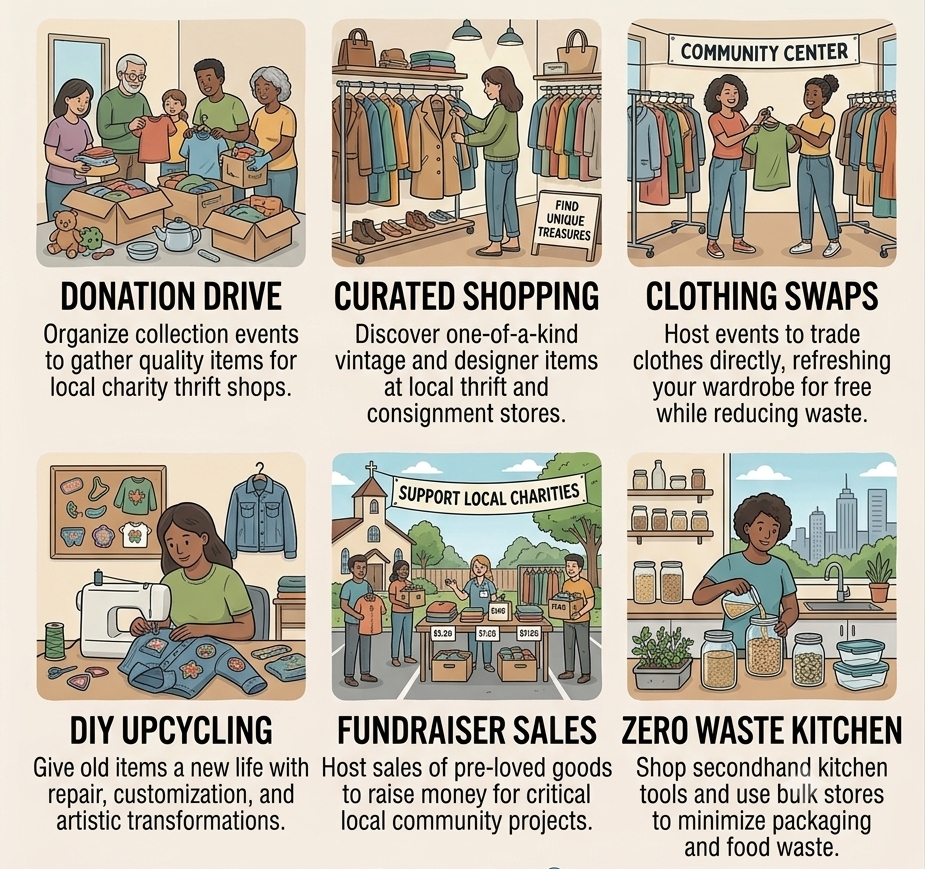
COMMUNITY ACTIVITIES

REDUCE WASTE, SHOP SMART

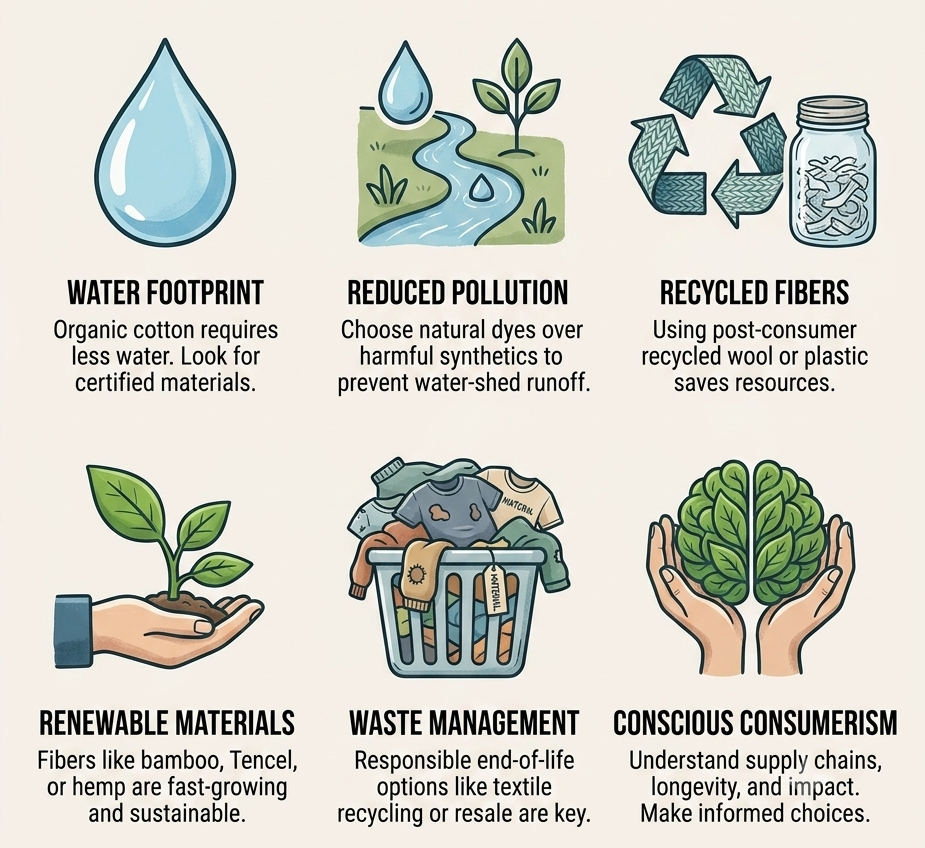
Choosing secondhand fashion is one of the most immediate and effective ways to combat the environmental crisis driven by the global textile industry. Modern fast fashion relies on a high-speed production model that extracts massive volumes of natural resources consuming thousands of gallons of water just to produce a single cotton garment, while polluting local ecosystems through chemical dyeing and synthetic fiber runoff. By opting for pre-loved clothing instead of newly manufactured items, you effectively extend the life cycle of existing garments, directly intercepting wearable textiles before they end up in overflowing landfills or incinerators. This conscious choice dampens the relentless consumer demand that fuels overproduction, reducing overall carbon emissions, water consumption, and land degradation at the supply chain’s source.

At the same time, shifting to a thrift-first mindset transforms personal style into an affordable, creative, and rewarding experience. Mass-produced contemporary clothing is often crafted with cheap materials meant to last only a few wears, but secondhand and vintage markets are filled with older, higher-quality garments built with superior fabrics and sturdy construction. Shopping smart at thrift stores allows consumers to access these durable, long-lasting pieces at a fraction of their original retail prices, making ethical and sustainable living accessible to every budget. Beyond the financial savings, pre-owned fashion frees individuals from copy-paste micro-trends, offering unique, one-of-a-kind wardrobe staples that tell a story and prove that true personal style can be both effortlessly cool and environmentally responsible.

AWARENESS MODULES

1. TEXTILE SHREDDING & RECYCLING

Collaboration with local and international partners to efficiently recycle pre-owned fabrics, turning waste back into valuable raw materials.

2. PRECISION SORTING

Acknowledge sorting as a priority. Implement precise sorting techniques for pre-owned goods, ensuring high-quality output for recycling.                  

3. TRACEABLE COTTON     

 Track cotton from farm to fabric to ensure full transparency, accountability, and ethical sourcing throughout the supply chain.

          4. SUSTAINABLE HARVEST         Promote eco-friendly fibers through sustainable farming methods, actively protecting and supporting the local ecosystem.

  5. ETHICAL LABOUR & WELFARE

Conduct regular assessments of labor practices to ensure decent working conditions, safety, and fair wages across the entire supply chain.

        6. PROVENANCE & STANDARDS                                    CERTIFICATION                

   Verify that textiles and garment production meet all established international environmental, sustainability, and social standards.

TESTIMONIALS

Switching to second hand clothes completely boosted my confidence. I stopped buying cheap fast fashion and built a unique wardrobe all while keeping textiles out of landfills.

David George
Architect
As a parent, thrifting turned a stressful financial strain into a fun treasure hunt. We get high-end gear and clothes for a fraction of the cost, leaving money for family vacations.

Elna Sara Joy
Homemaker
Thrifting transformed my budget, boosted my self-confidence, and turned a stressful financial burden into an enjoyable family experience.

Helen Samson
Teacher
Thrifting transformed my budget and allowed me to fully furnish my first apartment with high-quality, solid wood furniture for under Rs 300,keeping me completely out of dept.

Tara Elsa Roy
Student

JOIN THE MOVEMENT

Name
Scroll to Top